
The Geometric Engine
Explore our premium handcrafted carpet collection from Mirzapur. Experience 25 years of mathematical precision and unmatched artistic heritage in every single knot.
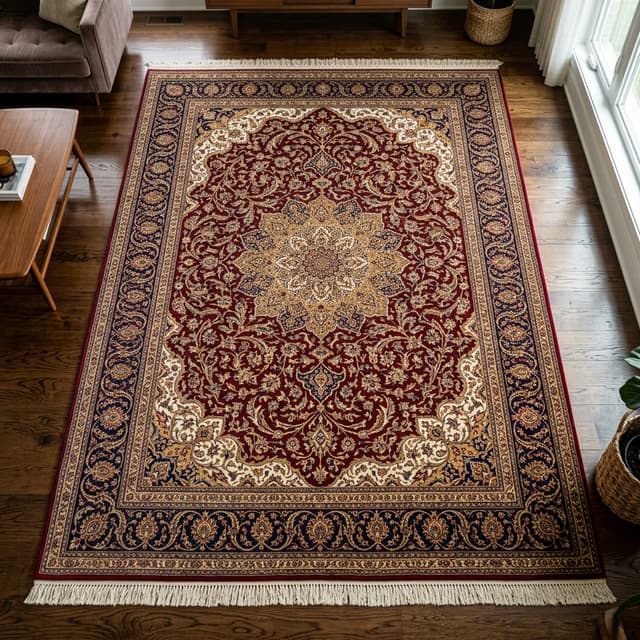

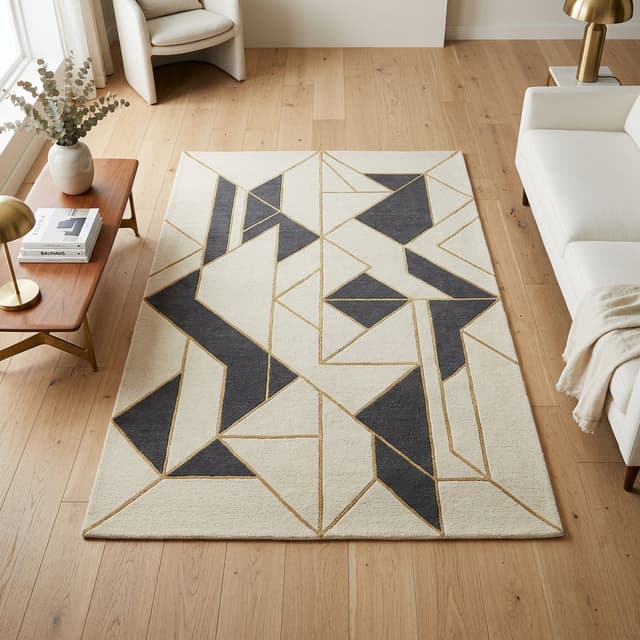
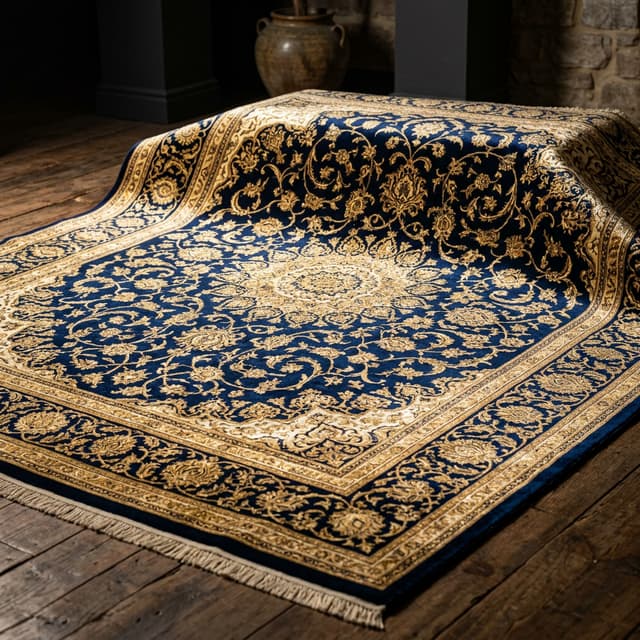
The Fibonacci Orbit
Frequently Asked Questions
How exactly do these carpets appreciate in value?
Unlike mass-produced decor that depreciates immediately, our pieces are limited-edition functional art. As master artisans become rarer and demand for authentic craftsmanship increases, clients typically see 200-300% appreciation over 10 years.
What makes these 'mathematically precise' and why does that matter?
Mathematical precision ensures timeless beauty and structural perfection. We use golden ratio and sacred geometry—principles that have created beauty for thousands of years.
How to clean carpets without a vacuum?
If you don't have a vacuum handy, the most effective alternative is using a traditional stiff-bristled broom or a dedicated carpet sweeper to physically sweep out trapped debris. For delicate or high-end rugs, you can also take them outdoors, hang them over a sturdy clothesline or railing, and use a carpet beater to gently tap out deep-seated dust and dirt particles safely.
How to protect carpets from heavy furniture?
To prevent permanent indents and crush marks from heavy couches or tables, place furniture cups or coaster pads right under the legs to distribute the weight evenly. It is also wise to slightly shift your furniture an inch or two every few months. If you already have deep dents, fluff the carpet fibers back up by placing an ice cube over the dent, letting it melt completely, and gently combing the damp yarn upward with a coin or spoon.
How to clean carpets with vinegar?
Mix equal parts of white distilled vinegar and lukewarm water in a spray bottle. Mist the solution lightly over stained or high-traffic areas without soaking the fibers. Let it sit for 5 to 10 minutes to break up surface grease and grime, then blot firmly with a clean, dry white towel. The sharp vinegar scent will evaporate completely within a few hours, leaving your rug fresh and sanitized.
How to clean carpets with baking soda?
Sprinkle a generous, even layer of dry baking soda over the entire carpet surface and let it rest for at least 30 minutes—or overnight for deep odors. The baking soda chemically binds to moisture and acidic smell compounds. Once it has sat, vacuum the carpet slowly and thoroughly. This is an incredibly safe, non-toxic way to lift stubborn dirt and neutralize everyday household odors.
How to remove pet odors from carpets?
The secret to clearing pet odors is using an enzymatic cleaner rather than regular soap. Enzymes physically break down the ammonia and proteins found in pet accidents so animals aren't tempted to remark the spot. For minor, lingering pet smells, heavily dust the rug with baking soda, let it sit overnight to pull the scent molecules out of the base mesh, and vacuum it thoroughly the next morning.
How to remove stains from carpets?
Never rub or scrub a fresh stain, as this forces the liquid deeper into the backing yarns. Always blot inward from the outer edges using a clean white cloth to prevent spreading. For general water-soluble stains, apply a mild mix of warm water and a few drops of clear dishwashing liquid. Blot dry, rinse with a tiny bit of plain water to remove soap residue, and blot once more until dry.
How to vacuum carpets properly?
To remove deep dirt, vacuum slowly using a cross-grid pattern. Run the vacuum forward and backward over an area, then turn 90 degrees and go across it sideways. This opens up the twisted yarn fibers from all angles. For luxury pile rugs, make sure to turn off the aggressive, rotating beater bar tool to protect long wool and silk threads from pulling or fraying.
What are the benefits of wool carpets?
Wool is a highly durable, sustainable, and premium fiber choice. It naturally repels water and oil-based stains thanks to a protective lanolin coating on the outer scales. Wool is also highly flame-resistant, acts as an excellent room acoustic dampener, purifies indoor air by trapping pollutants, and has incredible spring-back resilience that prevents paths from wearing out.
What is the best way to clean carpets?
For weekly upkeep, slow and thorough vacuuming is best. For deep, restorative maintenance, professional hot water extraction (often called steam cleaning) is recommended every 12 to 18 months. Steam cleaning reaches the lower mesh lines to dissolve embedded oils and bacteria that standard household vacuums simply cannot pull out.
How to clean carpets?
Basic carpet care involves a three-step routine: vacuuming high-traffic zones at least twice a week, addressing spills immediately by blotting with cold water, and deep cleaning the fibers at least once a year. Keeping up with this simple routine prevents abrasive dirt particles from settling into the backing material and sawing away at your carpet's life.
How to clean wool carpets?
Wool needs gentle care because harsh chemicals can strip its natural oils. Always use a pH-neutral, wool-safe detergent mixed with cool water. Avoid overwetting the fibers, as wool holds onto moisture for a long time. Blot gently, rinse with a damp towel to remove excess soap, and let it air-dry completely away from direct heat or harsh, blinding sunlight.
How to deep clean carpets at home?
To deep clean at home without a major machine, sprinkle baking soda across the surface, spray it lightly with a mix of warm water and a few drops of dish soap, and use a soft-bristled brush to massage the mix into the pile. Let it sit for a few hours to lift the dirt, blot it dry with clean towels, and vacuum thoroughly once the fibers are fully dry.
How to remove mold from carpets?
Mold requires immediate action to protect your home's air quality. If the mold spot is small, mix equal parts of rubbing alcohol and warm water, sponge it onto the area, and scrub gently. For tougher spores, use a mixture of white vinegar and baking soda. Dry the area completely using an electric fan or dehumidifier. If the mold has reached the bottom backing grid, it is safest to call a professional rug restorer.
How to steam clean carpets?
Before turning on a steam cleaner, vacuum the entire space meticulously to clear away all loose surface dust. Fill the machine's reservoir with hot tap water and the recommended amount of carpet shampoo. Walk the machine forward slowly to inject the steam, then pull it back even more slowly to extract the dirty water. Give the room a full 24 hours to air out and dry before walking on it.
How to remove paint from carpets?
For fresh, wet water-based paint, blot it up immediately with a paper towel, then apply a mixture of warm water and dish soap to lift the residue. If the paint has already dried hard, dab a small amount of rubbing alcohol or acetone onto a clean cloth and press it against the paint spot to soften it. Once soft, carefully scrape the paint away with a dull knife or spoon, taking care not to cut the rug threads.
How often should carpets be cleaned?
As a rule of thumb, you should vacuum high-use rooms twice a week and low-use guest spaces once a week. For a thorough deep clean or steam washing, aim to do it once every 12 to 18 months. If you share your home with multiple pets or have family members with dust allergies, shifting your deep cleaning schedule to every 6 to 9 months will keep your indoor air much fresher.
How often can you clean carpets?
You can vacuum your carpets as often as daily without causing any damage, provided your vacuum's brush settings match your pile height. However, heavy wet cleaning or hot steam treatments should be limited to 2 or 3 times a year at most. Over-washing can weaken the backing glues, cause fiber shrinkage, or leave behind dampness that encourages mold growth.
What are carpets made of?
Carpets are generally woven from either luxury natural fibers or durable synthetics. Natural options include premium New Zealand wool, pure silk, and organic cotton, which offer incredible longevity and natural texture. Synthetic options usually feature nylon, polyester, or polypropylene, which are engineered for high stain resistance and cost efficiency in commercial setups.
How do you manually clean carpets?
Manually cleaning a rug is quite straightforward: fill a large bucket with warm water and a splash of gentle laundry soap. Dip a clean microfiber cloth or a soft-bristled scrub brush into the soapy water, wring it out so it's damp but not dripping, and wipe down the carpet using small, circular motions. Finish by wiping the rug down with a plain, water-dampened cloth to remove soap film, then let it air-dry.
How to clean carpets without a carpet cleaner?
You don't need a fancy machine to refresh your floors. Create an easy cleaning spray using a mix of one part white vinegar to three parts warm water. Spray the target area lightly, let it sit for five minutes to break down embedded grease, and use a clean microfiber cloth to scrub the stains away. Blot the damp patches dry with a clean towel, and open your windows to let the room air out naturally.
How to pick the right size rug for room?
To choose the perfect rug size, baseline your layout around your furniture rather than the bare walls. In general, your rug should be large enough so that at least the front legs of your major seating or framing pieces rest comfortably on top of it. Always aim to leave an intentional border of 10 to 18 inches of exposed flooring around the room's edges to frame your space gracefully.
What size rug for king bed?
The ideal size rug for a standard king-size bed is either an 8x10 feet or a 9x12 feet rug. Position the rug perpendicular to the bed, sliding it under the frame starting from the front of your nightstands. This layout leaves a beautiful, comfortable 2-to-3 foot perimeter of plush fabric on both sides and at the foot of the bed for your feet to land on when waking up.
What size rug for queen bed?
For a standard queen-size bed, an 8x10 feet rug offers the most luxurious balance, though an 6x9 feet rug can work well in smaller bedrooms. Placing an 8x10 rug underneath ensures you will enjoy roughly 3 feet of soft underfoot spacing extending symmetrically from both the left, right, and bottom edges of your mattress frame.
How old is faZe rug?
While the famous internet creator and YouTube star FaZe Rug (Brian Awadis) was born on November 19, 1996, making him a prominent voice for his generation, true luxury textile rugs hold a much older heritage! Hand-knotted rugs have been meticulously crafted by master weavers worldwide for over 2,500 years, growing more distinguished and beautiful with age.
How tall is faZe rug?
Popular lifestyle personality FaZe Rug stands at roughly 5 feet 3 inches tall. When translating height dimensions into home architecture, a premium 5-foot accent rug serves as a magnificent design footprint, offering the perfect scale for cozy reading nooks, entryways, or underlying individual study desks.
What size rug for living room?
The most common and visually successful rug sizes for standard living rooms are 8x10 feet and 9x12 feet. Selecting a larger size allows you to safely anchor your primary couch, armchairs, and coffee table together onto a unified textile canvas, instantly making your common room look more expensive, balanced, and intentionally designed.
What is the difference between carpet and rug?
The difference primarily comes down to installation style and size footprint. A carpet refers to wall-to-wall flooring that is permanently stretched, tacked down, and glued across an entire room's surface. A rug, on the other hand, is a movable, finished textile piece with completed edges that occupies a specific zone of a room to accentuate the furniture layout.
How to clean a rug with baking soda?
Lightly dust dry baking soda over the rug surface, let it settle for 30 minutes to absorb deep grease or atmospheric odors, and vacuum smoothly. If dealing with an active rug spot, mist the baking soda very lightly with warm water, brush it gently into the pile with a soft brush, let it air dry completely, and vacuum away the dry residue.
How to clean a rug?
To properly clean an area rug, vacuum regularly without an aggressive spinning brush attachment to avoid pulling loose threads. For deeper annual treatment, mix a bowl of cool water with a few drops of mild soap, gently wipe down the pile using a soft microfiber cloth following the grain of the fibers, and blot dry immediately using white towels.
How to choose the right rug size for a room?
Begin by sketching your room's layout and measuring your primary furniture conversation clusters. For open plans, choose a large rug that holds all legs of the furniture cluster. In tighter spaces, a medium rug where only front legs rest on the fibers works perfectly. Always measure twice to ensure your chosen rug leaves a clean border of floor showing around the perimeter.
How to flatten a rug?
If your new rug has curled corners or crease lines from shipping, simply roll the rug tightly in the opposite direction (reverse-rolling) and let it sit for a day. For stubborn corner curls, place heavy books or weights on the edges for 48 hours, or apply gentle steam using a damp cloth and an iron on low heat to relax the backing fibers safely.
How to pick the right size rug for living room?
To choose correctly, map out your room's main walkway paths. A living room rug should sit fully beneath your seating layout or perfectly center your coffee table. Avoid buying an undersized rug that floats isolated in the center, as this visually shrinks the space; instead, select an 8x10 feet or larger rug to frame the entire conversation area.
What size rug under king bed?
An 8x10 feet rug is standard, but a 9x12 feet rug is the preferred choice for master suites with king beds. The 9x12 scale accommodates the wider bed footprint comfortably while leaving spacious room on both sides for matching luxury nightstands to sit elegantly on the same level textile plane.
Where does faZe rug live?
The prominent digital entertainer FaZe Rug lives in a luxury mansion located in San Diego, California. High-end modern estates across California frequently utilize custom area rugs to ground large, open-concept architectural rooms, soften echoing acoustics, and introduce rich organic textures to minimalist interior spaces.
How to clean a wool rug?
Wool rugs require delicate handling to avoid breaking their natural lanolin defense shield. Mix a gentle, pH-neutral wool detergent with cool water and damp-wipe the surface smoothly in the natural direction of the nap. Avoid saturated immersion wash cycles at home, and never use harsh bleaching compounds or heavy alkaline stain removers.
How big is a 5x7 rug?
A 5x7 rug measures exactly 5 feet wide by 7 feet long, providing 35 square feet of physical floor coverage. This specific mid-sized dimension is incredibly versatile and serves as an ideal spatial anchor for dining nooks, compact home offices, nursery rooms, or placement directly underneath twin-sized beds.
How to clean a shag rug?
Because shag rugs feature deep, high-pile yarns, dirt falls deep inside them. To clean, take the rug outside and shake it vigorously to dislodge embedded dust. When vacuuming at home, use the upholstery hose attachment or turn off your vacuum's spinning beater bar entirely to prevent the long yarn strands from tangling or tearing out.
How to make a rug?
Authentic luxury rugs are made using the traditional hand-knotting technique. Master weavers manually wrap premium individual wool or silk yarn threads around vertical warp strings on a large vertical loom, tying up to 300 knots per square inch. This highly intricate process takes several months of dedicated human labor to complete a single masterpiece.